Winter running gear
In most countries, winter is the running off-season. In Canada, it's just the part of the season where you stop getting compliments. The races don't move — spring marathons still land in April and May, which means the training block happens in January and February whether you participate or not. The runners who keep showing up through the dark months are the ones cruising past everyone at kilometre 35 while the treadmill crowd rediscovers what wind feels like.

ICE, SOLVED
$$$Kahtoola NANOspikes
Ten small tungsten-carbide studs that make packed snow and ice feel like regular pavement. These are the ones built for running specifically — low-profile enough that you forget you're wearing them, which is the entire point. The day you run confidently over a sidewalk everyone else is penguin-walking across, they've paid for themselves.

THE GATEWAY SPIKES
$$Yaktrax Run Traction Cleats
The most common first traction device in Canada for a reason: coils under the heel, spikes under the forefoot, and a price that doesn't require a commitment ceremony. Not as bombproof as Kahtoolas, but a massive upgrade over bare shoes. Good for mixed routes where the sidewalk alternates between clear, snowy, and legally ambiguous.

FOR THE DEEP STUFF
$$$Kahtoola MICROspikes
The heavy artillery: chains and 3/8-inch spikes meant for trails, hills, and the kind of terrain where a fall actually matters. Overkill for a plowed neighbourhood loop — you'll feel every spike on bare pavement — but if your winter running involves ravines, river paths, or anything with an incline, this is the tool.
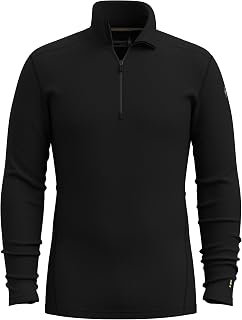
THE -20 UNIFORM
$$$Smartwool Classic Thermal Merino Base Layer Crew
Merino does the one thing winter running demands: it stays warm when it's damp, and you will be damp. This is the layer that goes on first every single run from December to March, gets washed constantly, and somehow doesn't smell like a hockey bag. Expensive per shirt, cheap per wear.
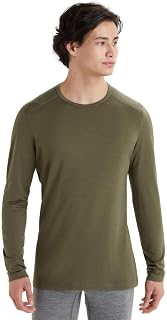
MERINO, OTHER FLAG
$$$Icebreaker 200 Oasis Long Sleeve Crew
The other great merino base layer. The 200 weight is the versatile one — warm enough for deep winter under a shell, thin enough to run solo on those weird 0-degree gift days. Between this and the Smartwool it's genuinely a coin flip; owning one of each solves the laundry-cycle problem.
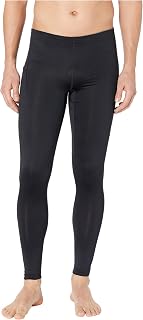
LEGS, INSULATED
$$Craft ADV Essence Tights
A proper running tight from a Scandinavian brand that understands the assignment. Legs need less insulation than your torso thinks they do, so one good pair covers most of the winter — add a wind brief or shell pant only when the wind chill gets personal.

THE WIND TAX
$$$Gore Wear R5 GORE-TEX Insulated Jacket
Wind is the multiplier that turns -10 into -25, and a windproof, insulated front is the difference between a run and an endurance event. Gore's GORE-TEX running jackets block the gusts on your chest while venting enough that you don't poach yourself. Not cheap, but it replaces two lesser layers.

FACE INSURANCE
$Buff Original Multifunctional Headwear
The single highest value-per-dollar item in winter running. Neck gaiter, face cover, ear band, emergency toque — it's one tube of fabric that does six jobs. Pull it over your nose for the into-the-wind half of the run, drop it for the way home. Every Canadian runner owns at least three and can locate none of them.

FINGERS STILL WORK
$$The North Face Etip Recycled Gloves
Good down to around the freezing mark, with touchscreen fingertips so pausing your watch doesn't require a glove removal ritual at -8. Below about -10 you'll want to size up into mitts or add a shell over top — fingers together beat fingers apart, which is physics, not opinion.
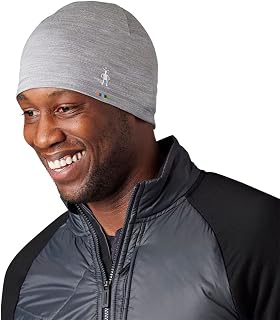
REGULATION TOQUE
$$Smartwool Merino Sport Fleece Beanie
You lose a startling amount of heat through an uncovered head, and you gain a startling amount of sweat under the wrong hat. A thin merino toque handles both: warm at the start, not a swamp by kilometre eight. This is the one item where the Canadian-English word is simply correct and we will not be taking questions.

SUNSET IS AT 4:47
$$Black Diamond Spot 400 Headlamp
In January, running after work means running in the dark, full stop. The Spot is the default recommendation for a reason: bright enough to actually see the ice you're about to not slip on, weather-sealed, and simple to run in. A headlamp makes you visible AND shows you the footing — reflective gear alone only does half that job.

BE SEEN AT 5PM DARK
$$$Noxgear Tracer2 LED Visibility Vest
Reflective strips need headlights pointed at you to work; this vest just glows on its own, in colours drivers physically cannot claim they didn't see. It's light, it doesn't bounce, and paired with a headlamp it makes you the most conspicuous object on the road. Slightly ridiculous looking. So is getting hit.

FEET DON'T QUIT
$$Darn Tough Merino Wool Running Socks
Merino socks stay warm through slush puddles that would end a cotton sock's whole afternoon, and Darn Tough backs theirs with a lifetime guarantee they actually honour. Your shoes will get wet in winter — that's non-negotiable — so the sock's job is to keep wet from meaning cold. These do it.
Worth knowing
- Cotton kills the vibe: it soaks up sweat, holds it against your skin, and turns kilometre six into a refrigeration experiment — merino or synthetic, always.
- Traction is for ice, not snow: fresh snow just needs your normal shoes and lower expectations, but the shiny grey stuff needs spikes.
- A headlamp beats reflective-only: reflective gear needs a driver's headlights to work, while a headlamp is visible from every angle and shows you the ice first.
- The treadmill isn't cheating: when it's freezing rain on glare ice, the runner who lives to train tomorrow wins — save the heroics for race day.
As an Amazon Associate, RaceFinder earns from qualifying purchases made through links on this page. It doesn't change the price you pay, and it has never changed a pick. Prices and availability live on Amazon — check them there.