GPS watches & tech
A GPS watch does three things well: it tells you how far you went, how fast you went, and roughly how hard your heart was working while you did it. Over months, that data turns into something genuinely useful, like noticing your easy pace is drifting faster at the same heart rate, or that every injury shows up two weeks after a mileage spike. What a watch does not do is make you fitter. It measures the training; it is not the training. Plenty of people have run great marathons off a drugstore stopwatch and a paper log.

FIRST GPS WATCH
$Garmin Forerunner 55
The default answer to 'which running watch should I buy first.' GPS, pace, distance, wrist heart rate, suggested workouts, and a battery that lasts a couple of weeks. The screen is not fancy and it will not play music, and none of that matters for training.

THE SWEET SPOT
$$Garmin Forerunner 165
A bright AMOLED screen and most of the training features from watches that cost twice as much. The nicer screen costs you some battery versus the 55, though it still runs for days, not hours. If you are between this and the 55, the honest difference is mostly how good the screen looks.

THE TRAINING NERD
$$$Garmin Forerunner 265
Adds triathlon modes, more detailed training load and readiness metrics, and onboard music to the 165 formula. This is the watch for people who follow structured plans and want the watch to tell them whether today should be hard or easy. Take those readiness scores as a suggestion, not scripture.

FULL COMMITMENT
$$$Garmin Forerunner 965
Full-colour maps, a titanium bezel, and every metric Garmin makes. Genuinely excellent, and genuinely more watch than most people training for a 10K need. Buy it if you run trails in unfamiliar places or you have accepted who you are. This is the engaged-to-your-watch tier.

BATTERY FOR DAYS
$$COROS Pace 3
The value pick that serious runners keep quietly buying. It is light, the GPS is accurate, and the battery outlasts comparable Garmins by a wide margin. The trade-off is a smaller app ecosystem and fewer smartwatch features, which, if you are here for the running, is not much of a trade-off.

YOU HAVE AN IPHONE
$$Apple Watch SE
If you already live in the Apple ecosystem and you run three or four times a week, this is a perfectly honest choice, and pretending otherwise is snobbery. GPS is solid and the app options are endless. The real cost is charging it every day and a battery that gets nervous during a full marathon.

THE ACCURACY FIX
$Polar H10 Heart Rate Sensor
The chest strap that heart-rate accuracy studies keep using as the reference device. Wrist-based optical sensors lag on intervals and get confused by cold weather and cadence lock; a strap does not. Pairs with basically everything. Less comfortable than nothing, more comfortable than bad data.
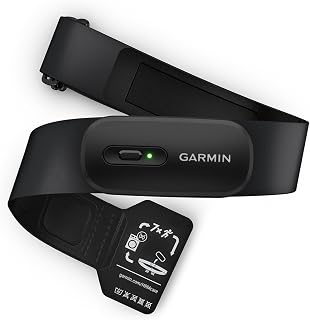
GARMIN'S OWN STRAP
$Garmin HRM 200
Garmin's basic chest strap, with both ANT+ and Bluetooth so it talks to your watch and your treadmill at the same time. Functionally similar to the H10 and an easy pick if you are already in the Garmin family. The battery is a coin cell that lasts ages and then dies mid-tempo run, because of course it does.

STRAP-AVERSE OPTION
$COROS Heart Rate Monitor
An optical armband you wear on your upper arm, where the sensor gets a far better signal than it does on a bouncing wrist. Not quite chest-strap accurate at maximal efforts, but close, and much easier to forget you are wearing. The middle path for people who find chest straps clammy and joyless.

CHEAP INSURANCE
$Spigen Rugged Armor Case for Apple Watch
A few dollars of matte plastic that stands between your watch screen and every doorframe, trail rock, and weight rack it will ever meet. Unglamorous and effective. Screen protectors and spare bands live in the same category: boring accessories that cost less than one repair.
Worth knowing
- Buy last year's model. GPS did not get meaningfully better in twelve months, but the price got meaningfully lower.
- If your heart rate data looks insane, the fix is a chest strap, not a more expensive watch.
- Do not chase your VO2max estimate. It is an algorithm's guess, and it dips every time you run in the heat.
- Tighten the watch one notch above your wrist bone before hard workouts; loose optical sensors read cadence as heart rate.
As an Amazon Associate, RaceFinder earns from qualifying purchases made through links on this page. It doesn't change the price you pay, and it has never changed a pick. Prices and availability live on Amazon — check them there.